· 6 min read
Building a simple wash day that works
Shampoo the scalp, condition the lengths, treat once a week. Everything else is optional.
The most effective haircare routine is one you will actually do. That argues for fewer, better steps. Here is the order we recommend and why.
The rule: shampoo is for the scalp, conditioner is for the lengths
Oil is produced at the root, so that is where cleansing is needed. Damage accumulates at the ends, so that is where conditioning is needed. Most people do the opposite: they pile shampoo onto their lengths and conditioner onto their roots, and wonder why their hair is both dry and greasy.
Wash day
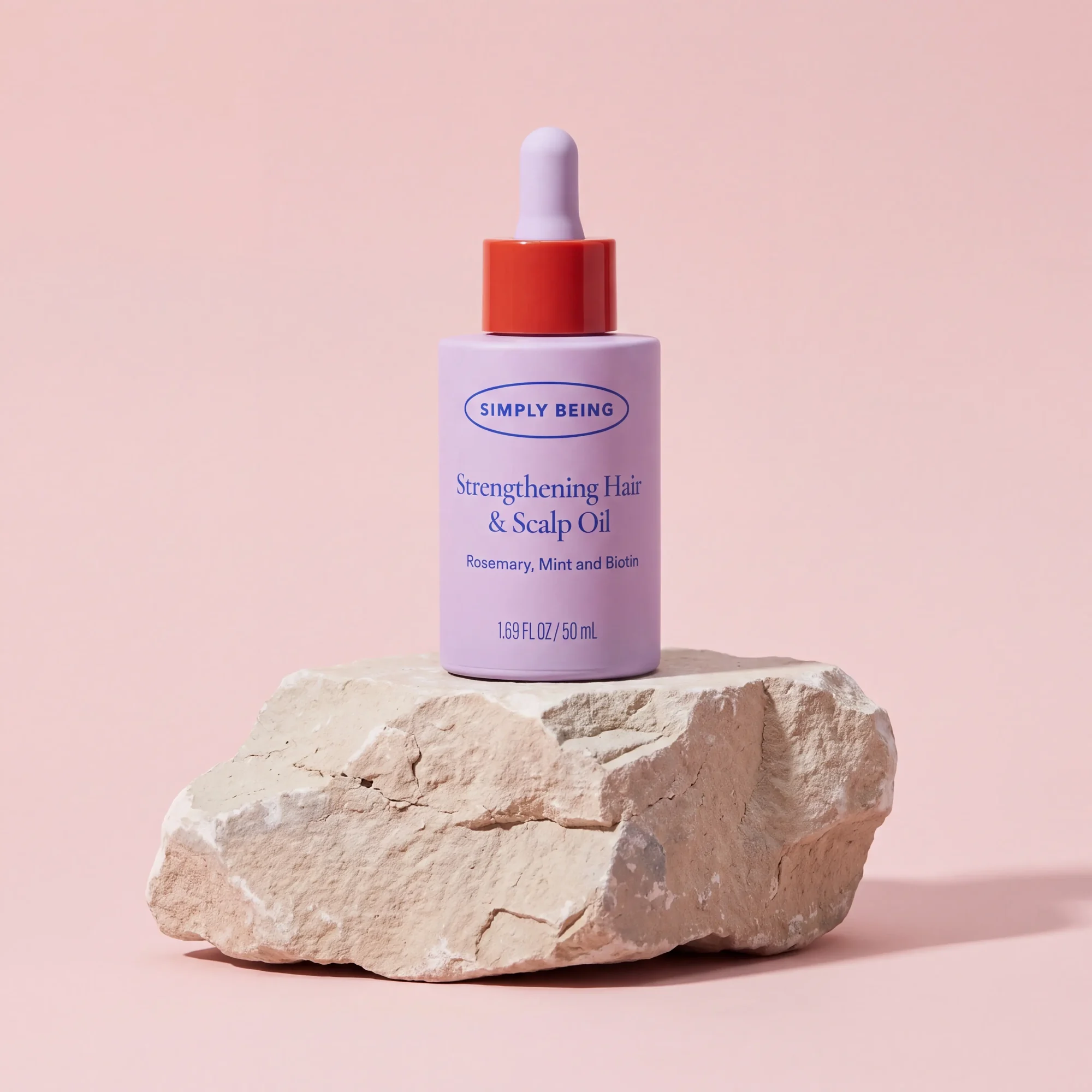
- Pre-treat (optional, weekly). Before you shower, work the oil into the scalp as a treatment, or comb it through the lengths.
- Shampoo the scalp. Lukewarm water, a small amount of shampoo, a full minute of fingertip massage. Let the lather run down the lengths rather than scrubbing them. Repeat if hair is heavily styled.
- Condition the lengths. Squeeze out water first so the conditioner isn't diluted. Apply from ears down, comb through, leave a couple of minutes, rinse cool. Once a week, swap for a deep conditioning mask.
- Leave-in and detangle. Towel-blot, mist a leave-in through the lengths, and comb from the ends upward with a wide-tooth comb. Wet hair is fragile; this is where most breakage happens.
How often
There is no correct number. Fine or oily hair may want washing every day or two; thick, curly or dry hair may be happiest once or twice a week. Let your scalp, not the calendar, decide.
What to leave out
You do not need a separate clarifying shampoo, volumising spray, serum, cream and gloss. If a step does not have a clear reason, remove it. Introduce any new product one at a time, and patch test first.
Give it time
Hair renews slowly. Judge a routine after a month of consistent use, not after one wash. Moisture and shine improve quickly; strength and reduced breakage take longer to see.
This article is general information about cosmetic haircare and is not medical advice. If you have a scalp or skin condition, please speak to a doctor or dermatologist.
Mentioned in this article