· 4 min read
Patch testing, properly
Two days and a square of skin behind the ear can save you a week of itching. Here's how to test a new haircare product the way a formulator would.
Any new product can disagree with your scalp, even a gentle one, and even one you have used before if the formula has changed. A patch test costs nothing but patience.
Where
Choose a discreet area with skin similar to your scalp: behind the ear, at the nape of the neck just below the hairline, or the inner forearm. Behind the ear is ideal because it is close to the scalp, gets rinsed the same way, and is easy to hide if it reacts.
How
- Apply a small amount of the product to clean skin, about the size of a ten-cent coin.
- Leave it on as you would in use. For rinse-off products like shampoo, conditioner and masks, follow the usage time and rinse. For leave-in mists and oils, leave it on.
- Repeat once a day for two to three days.
- Watch for redness, itching, burning, bumps or swelling. Check again 24 hours after the last application, since some reactions are delayed.
What a reaction means
A cooling tingle from mint and menthol is expected with our products and usually settles within a minute. Persistent stinging, redness that lasts more than a few minutes, itching or bumps are signs to stop. Rinse the area, and do not use the product on your scalp. If a reaction is severe or spreading, seek medical advice.
Testing more than one product
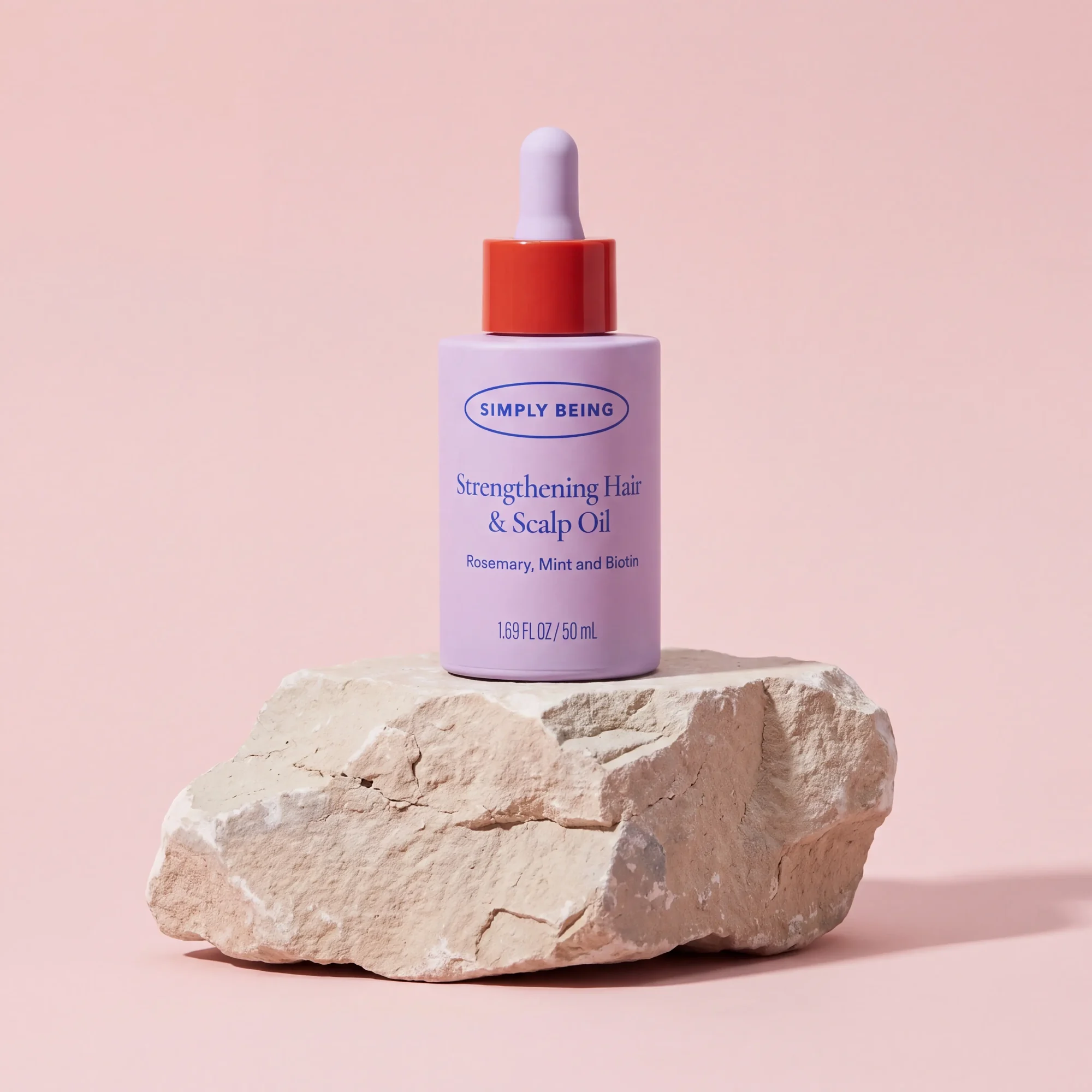
Test one product at a time in separate spots, so you can tell which one caused a reaction. For the Hair & Scalp Oil, test behind the ear, since that is closest to where it will sit on the scalp.
Then introduce slowly
Once a product passes, add it to your routine on its own for a couple of washes before introducing anything else. Treatments like the Hair & Scalp Oil are best started once a week and only increased if your scalp is comfortable.
This article is general information about cosmetic haircare and is not medical advice. If you have a scalp or skin condition, please speak to a doctor or dermatologist.
Mentioned in this article